March 23, 2026
Visiting kitchen showrooms represents an essential step in planning successful renovation projects, providing opportunities to see materials, experience layouts, and envision design possibilities that catalogs and websites cannot fully convey. Many homeowners arrive unprepared without clear priorities or knowledge of what to evaluate, resulting in overwhelming experiences that don't productively advance their planning processes. The difference between showroom visits that provide valuable insights and those that create confusion often comes down to preparation and knowing what questions to ask, what details to observe, and how to evaluate options systematically. Understanding what to look for and remember during showroom visits helps you make the most of these valuable opportunities to explore options, gather information, and move confidently toward design decisions. Strategic showroom visits with clear objectives and proper preparation transform potentially overwhelming experiences into productive sessions that advance your kitchen planning while providing inspiration and practical knowledge essential for successful renovation outcomes.
Bringing Essential Measurements and Floor Plans
According to Zonda's 2024 Cost vs. Value Report, nationally, homeowners recouped between 38 and 96% of kitchen renovation costs on average. Accurate room dimensions, ceiling heights, window and door locations, and existing plumbing and electrical positions allow designers in the kitchen showroom to provide realistic feedback about what designs and configurations will actually work in your specific space. Without measurements, conversations remain hypothetical, and designers cannot offer concrete guidance about which displays represent achievable options versus those requiring space you don't have. Bringing floor plans or sketches showing the current layout helps designers understand your starting point and constraints affecting what changes are feasible within your existing footprint. This preparation transforms showroom visits from general browsing into productive consultations where professionals can provide specific recommendations applicable to your actual kitchen rather than generic suggestions disconnected from your space's realities.
Before visiting, list specific problems with your existing kitchen, including inadequate storage, poor workflow, insufficient counter space, or outdated aesthetics that renovation should address. These documented frustrations help you communicate priorities to designers and evaluate whether displayed solutions actually solve your particular problems rather than just looking attractive. Referring to this list during discussions ensures you don't forget important concerns when overwhelmed by attractive displays and numerous options presented during showroom visits. Clear problem identification focuses conversations on finding solutions to your specific issues rather than getting distracted by features you don't need or designs that don't address the fundamental reasons you're renovating in the first place.
Examining Cabinet Construction Quality
Open cabinets in the kitchen showroom to inspect joinery methods, drawer glide quality, shelf adjustability, hinge operation, and overall construction standards that indicate durability and long-term performance. Quality cabinets feature dovetail or dowel joinery rather than staples, full-extension soft-close drawer glides instead of basic side-mount hardware, and solid wood or quality plywood construction rather than particleboard that deteriorates with moisture exposure. Interior finishes, adjustable shelving, and thoughtful organizational features demonstrate the manufacturer's attention to functionality beyond just exterior appearance, which showroom lighting and staging emphasize. Understanding these construction details helps you distinguish truly quality cabinetry from attractive but poorly built options that won't withstand years of daily use despite initial good looks that impress during brief showroom encounters.
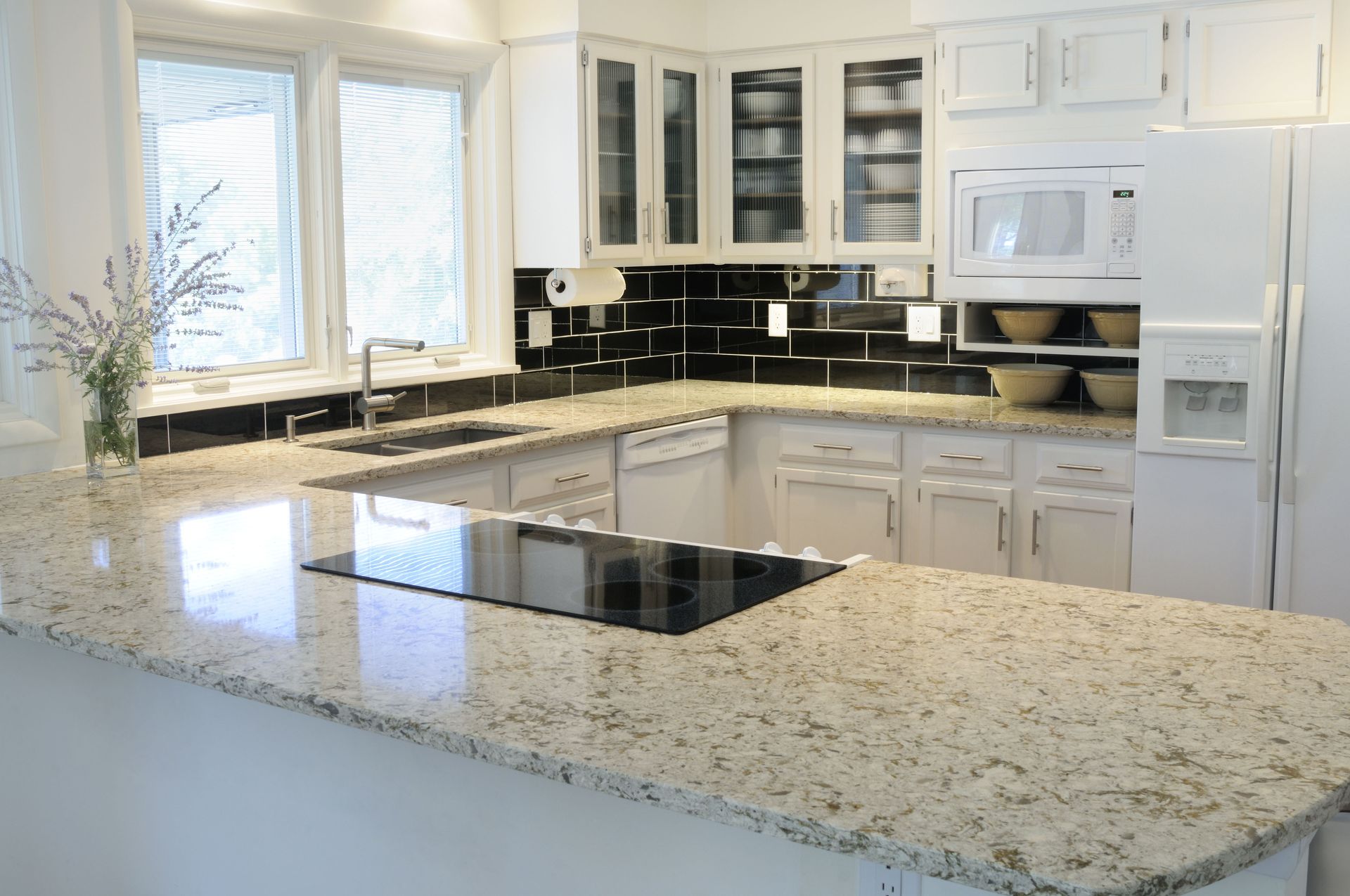
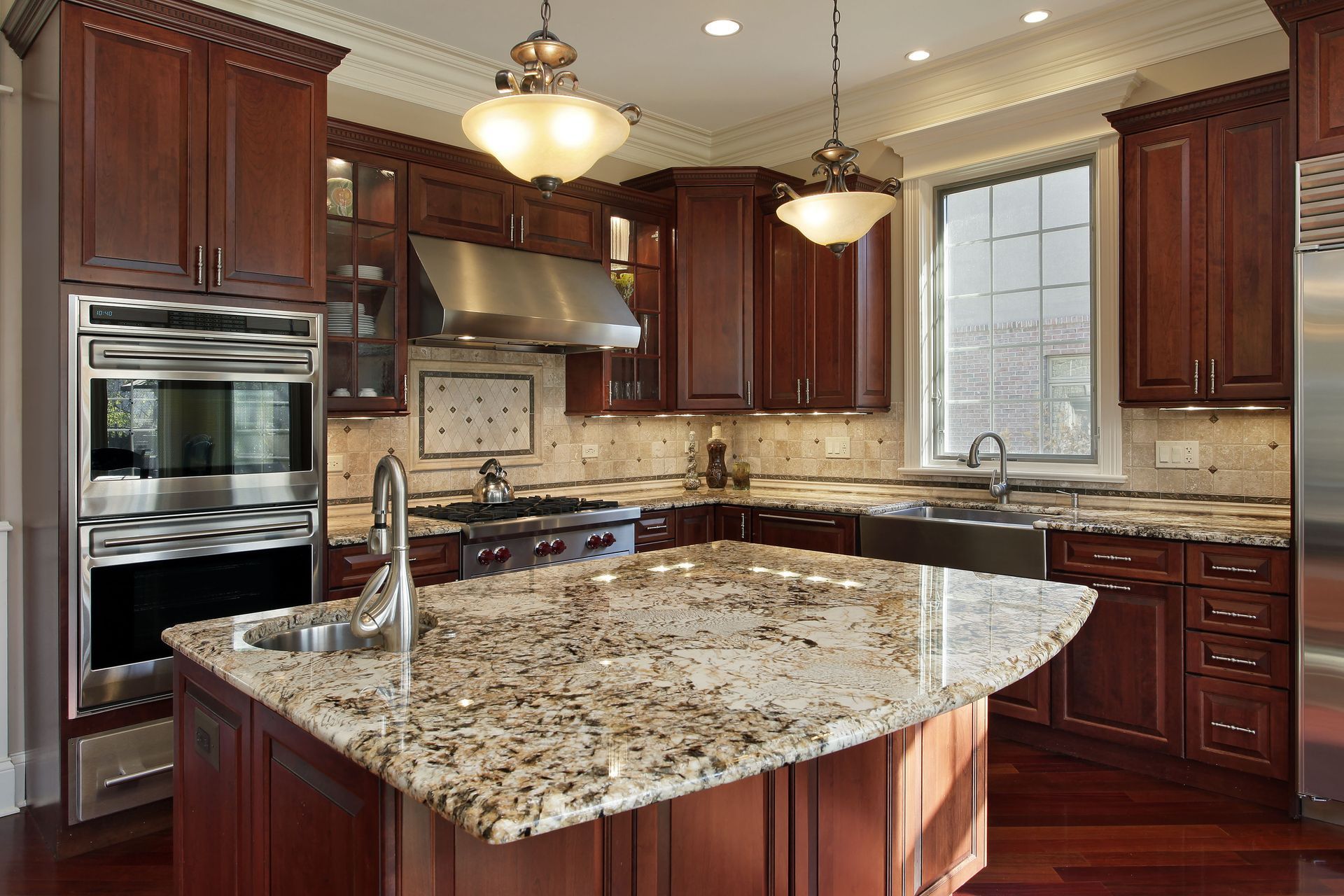
Touch and examine various countertop materials, including granite, quartz, solid surface, laminate, and butcher block, to understand texture, appearance variations, and maintenance characteristics that catalogs cannot fully convey. Ask about heat resistance, staining susceptibility, sealing requirements, and cleaning recommendations for materials you're considering to understand ongoing maintenance commitments beyond initial appearance. Viewing large samples or installed examples in the kitchen showroom helps you visualize how materials look in substantial installations rather than relying on small samples that don't accurately represent appearance at the scale your kitchen requires. Pay attention to edge profile options, thickness variations, and color consistency across samples since natural materials like granite vary substantially between slabs, while manufactured options like quartz offer more predictable uniformity.
Testing Storage Solutions and Organizational Features
Physically open drawers, pull-out shelves, lazy Susans, and specialty storage to understand how these features operate and whether they genuinely improve functionality or just add complexity and expense. Quality organizational features operate smoothly, feel solid rather than flimsy, and provide clear functional advantages justifying their costs compared to standard cabinet configurations. Visualize how you would actually use these features with your specific cookware, appliances, and food storage to determine if specialized solutions address real needs or just seem appealing in showroom contexts divorced from daily kitchen activities. Some organizational features prove genuinely useful, while others create maintenance burdens or storage complications that standard shelving and drawers avoid while costing significantly less.
Understanding manufacturing and delivery timelines for products you're considering affects renovation scheduling and whether you can realistically plan around quoted delivery dates. Custom cabinetry typically requires longer lead times than stock options, and certain materials or finishes may involve extended waits that impact your overall project timeline. Staff in the kitchen showroom should provide realistic estimates about how long specific selections take from order to delivery, helping you plan renovation schedules that accommodate these timelines. During periods of supply chain disruption or high demand, lead times can extend substantially beyond normal expectations, making it essential to get current information rather than assuming typical timelines still apply in current market conditions.
Discussing Budget Ranges and Cost Implications
Be upfront about your budget constraints so designers can recommend options within your financial parameters rather than wasting time on solutions you cannot afford, regardless of how attractive they appear. Different cabinet lines, countertop materials, hardware selections, and appliance packages span enormous price ranges, and understanding these cost implications helps you make informed trade-offs balancing desires against budget realities. Ask about cost differences between various options so you understand where your budget goes furthest and where premium selections create substantial price increases that may not justify modest improvements. Professional designers in the kitchen showroom can suggest where to splurge for maximum impact and where to economize without significantly compromising aesthetics or functionality that matters for your particular usage patterns and priorities.
Take photos of displays, materials, and details you like while noting specific features, product names, or design elements worth remembering when multiple showrooms and options blur together later. Written notes about why specific designs appeal to you or how particular features might solve your kitchen problems help you recall reasoning when reviewing options after visiting multiple locations. Organize documentation by showroom and date so you can reference specific products or designs when comparing options or returning for follow-up consultations with designers. This documentation becomes invaluable when making final decisions weeks after visits, when memories fade, and distinguishing between similar options from different showrooms becomes difficult without photographic and written records.
Strategic kitchen showroom visits armed with proper preparation and knowledge of what to evaluate help you make informed decisions that lead to successful renovation outcomes, meeting your functional needs and aesthetic preferences. The time invested in preparing for showroom visits through measurements, problem documentation, and understanding what to look for pays dividends through more productive consultations and better ultimate selections. Taking advantage of professional expertise, examining quality indicators, and systematically evaluating options transforms potentially overwhelming showroom experiences into valuable steps toward achieving the kitchen renovation you envision. Whether you need kitchen design, kitchen material supply, bathroom design, or vanities, Creative Design Center provides free estimates, customized designs, and manufacturer cabinetry warranties. For more information, contact us today!